

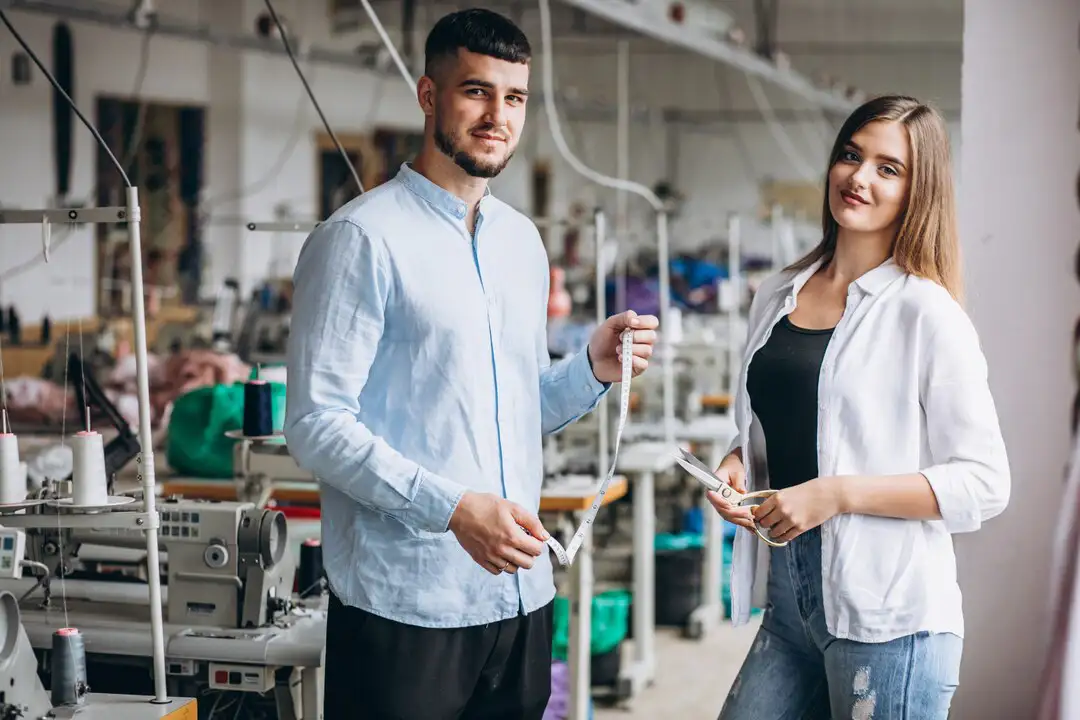
Understanding the Value of Trusted Uniform Manufacturing Partners
A trusted uniform manufacturing partner delivers consistent quality, durable fabrics, and custom solutions tailored to your industry. The right manufacturer reduces errors, shortens lead times, and strengthens brand identity across your workforce, making the relationship far more valuable than a one-time transaction.
Choosing a uniform manufacturer is not the same as placing a bulk clothing order. Globe Uniforms illustrates what genuine manufacturing depth looks like: design consultation, certified fabric procurement, sampling support, customized tailoring, and embroidery under one structure. That range of application-specific capability is what separates a real manufacturing partner from a plain garment vendor.
Why Does Durability Matter More Than Price per Unit?
A per-unit cost that looks 20 percent lower can easily double replacement orders within a year. Durable uniforms built on tested fabrics and sound construction reduce total procurement cost over time. For industrial and aviation sectors, durability is also a safety issue, not just an aesthetic one.
What Are the Most Important Qualities to Look For in a Uniform Manufacturer?
Not every manufacturer operates at the same standard. These are the qualities that genuinely distinguish reliable partners from those who create problems at scale:
- Industry-specific experience: A manufacturer with healthcare experience understands antimicrobial fabric needs; one with aviation background knows compliance and presentation standards.
- Quality assurance processes: Lab-tested certified fabrics, sampling stages, and documented QA checkpoints are non-negotiable for consistent large-volume output.
- Custom design capability: Brand-aligned colors, tailored fits, and precise embroidery transform a uniform from a dress code into a brand asset.
- Scalability: A dependable manufacturer handles both a small pilot order and a large-scale rollout without changing the quality standard.
- Transparent communication: Lead times, fabric sourcing, and production milestones should be clear upfront, not revealed at delivery.
The best long-term relationships form when both sides operate from shared expectations, not assumptions.
How Do You Evaluate a Uniform Manufacturer Before Committing?
Request fabric swatches before anything else, this tells you more than any product catalogue. Ask for samples in your specific workwear category and review references from clients in similar industries. Any manufacturer hesitant to provide either should be treated as a signal to keep looking.
What Certifications Should a Uniform Manufacturer Have?
Look for lab-tested and certified fabrics, particularly for healthcare and industrial applications. In the UAE and GCC, regulatory alignment matters for sectors like aviation and healthcare where uniform standards are externally governed.
How Does a Custom Uniform Strengthen Brand Identity?
A custom uniform communicates brand position before a single word is exchanged. Consistency matters most here — a manufacturing partner who stores patterns and fabric references enables re-orders that match the original batch exactly. Drift in color tone or logo quality across repeat orders is a common frustration for businesses relying on multiple suppliers.
Which Industries Benefit Most from Dedicated Uniform Manufacturing Partnerships?
Most sectors involving customer-facing teams or regulated workwear see direct benefit from a committed manufacturing relationship:
- Hospitality: Uniforms that wear unevenly or lose color quickly undermine a hotel or restaurant’s carefully built guest experience.
- Healthcare: Clinical environments demand functionality, hygiene compliance, and fabric comfort across long shifts.
- Aviation: Uniforms serve as both brand representation and safety equipment, requiring manufacturers who understand both.
- Corporate: Consistency across locations and departments demands structured manufacturing and reliable re-ordering.
- Industrial: Protective properties must meet safety standards; durability is non-negotiable where equipment creates daily wear on fabric.
The scale of these industries is exactly why partnerships built on repeated collaboration outperform one-off procurement decisions.
What Does the Process of Working With a Uniform Manufacturer Actually Look Like?
A structured manufacturer starts with a consultation to understand each role’s functional needs, then selects fabric based on environment, laundering frequency, and safety requirements. A sampling stage follows before bulk production begins, with QA checks throughout rather than only at final inspection. For businesses ordering annually, a reliable manufacturer stores patterns so re-orders match the original without rework.
Why Choose Globe Uniforms?
Globe Uniforms brings operational depth that newer suppliers simply cannot replicate. Every order runs through a structured process, from certified fabric procurement and customized tailoring to embroidery, sampling support, and lab-tested quality checks, ensuring what gets delivered holds up in real workday conditions. For businesses that treat uniforms as a long-term brand investment rather than a recurring expense, Globe Uniforms is the manufacturing partner built to match that standard.
Conclusion
Businesses that treat uniforms as a brand asset rather than a commodity get better outcomes because they invest in the right manufacturing relationship from the start. The value of a trusted uniform manufacturer shows up over time, in fabric that holds its shape and re-orders that match the original batch.
Globe Uniforms brings cross-industry experience to every order across the GCC and MENA region. Get in touch with Globe Uniforms today and find a manufacturing partner built around quality, consistency, and long-term value!
No Comments